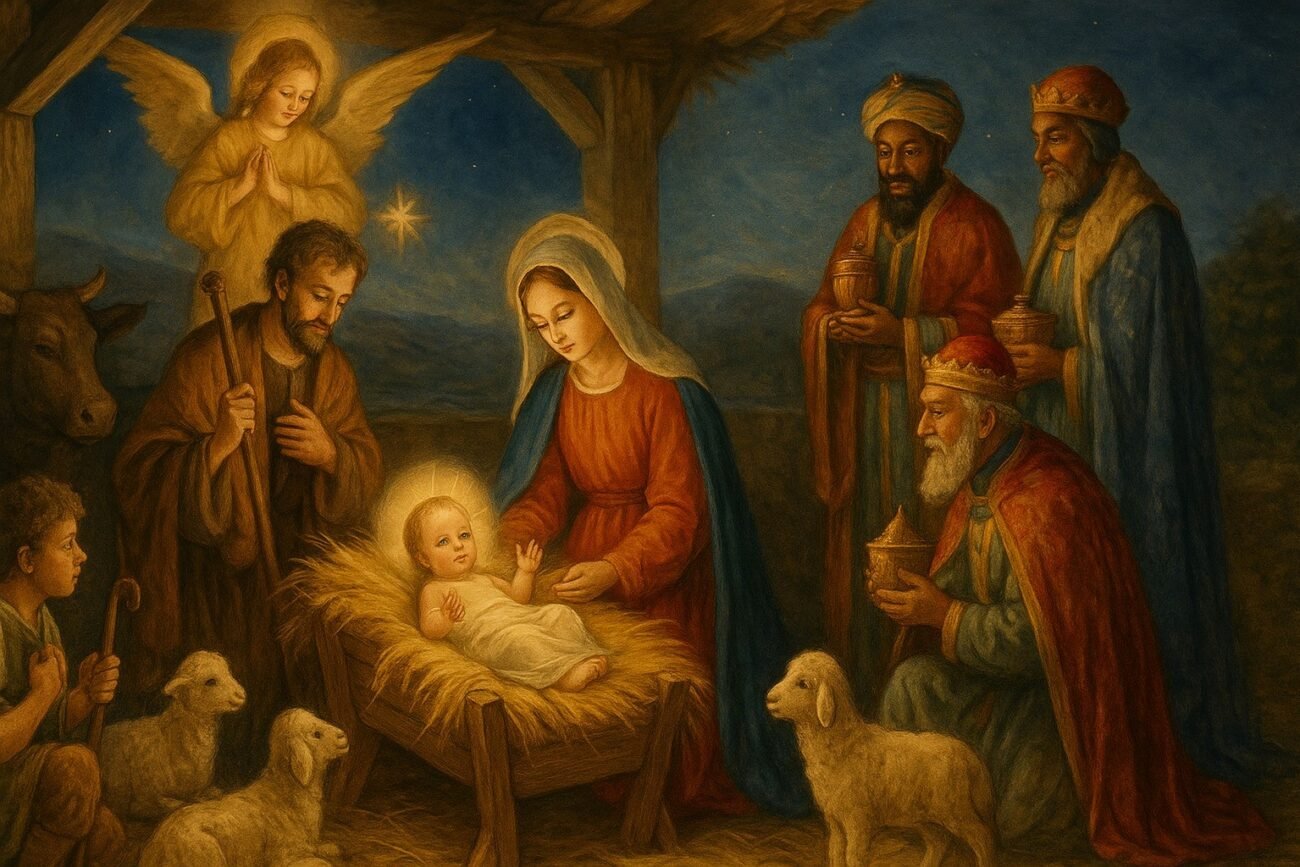
Nativität means birth, mainly the birth of Jesus in Christian belief. The word carries strong meaning in faith, culture, and art. Many people study nativität because it shows hope, new life, and deep spiritual value. The idea sits close to the heart of many communities and shapes how people celebrate, create, and share stories.
Nativität inspires church traditions, family customs, music, and visual art. You can see its influence in classic paintings, handmade scenes, and small displays found in homes. Artists use nativität to express emotion, devotion, and simple beauty. Many cultures build their own versions, each with symbols that reflect local life and history.
Nativität stands as a reminder of kindness, peace, and human connection. The scene of a child, a mother, and a humble setting speaks to people across centuries. This idea continues to guide celebrations and inspire creative work around the world.
Meaning And Origin Of The Term “Nativität”
The word nativität comes from old Latin roots. The Latin term nativitas means birth. Early writers used it for simple ideas linked with life, arrival, and new beginnings. Over time, the word moved into church language and became a strong symbol for the birth of Jesus.
In history, scholars used nativität for stories in sacred texts, early teachings, and church records. The word held value in moments that shaped belief and culture. Many historical groups used nativität for art, songs, and lessons shared with families and students.
In Christian tradition, nativität grew into a formal term. Churches used it for holy celebrations, early readings, and major moments in winter gatherings. Scholars then used the word in study books, commentaries, and research notes that explored faith, symbols, and the meaning of birth within Christian life.
Nativität now stands as a mix of language, history, and belief. The word carries deep meaning for many people who follow Christian teachings or enjoy cultural and artistic views linked with the birth story.
The Religious Significance Of Nativität
Nativität holds a central place in Christian life. Believers see the birth of Jesus as a moment filled with hope and promise. Many view this birth as a sign of love, mercy, and guidance for all people. The story stands at the heart of Christian belief, shaping worship, prayer, and daily faith.
Sacred texts show clear scenes linked with nativität. These scenes describe a humble setting, a newborn child, and a message of peace. Many teachers explain that the birth story shows light coming into a world filled with struggle. The moment carries spiritual meaning that speaks to both simple faith and deep study.
Theological views give even more shape to nativität. Many scholars say the birth marks the start of Jesus’ mission. The child in a manger stands as a symbol of humility. The star stands as a sign of guidance. The shepherds show how common people played a part in a holy moment. Every element carries meaning for believers who look for comfort, direction, and understanding.
Different Christian groups honor nativität in their own ways. Some focus on quiet prayer. Some highlight music and community gatherings. Some use detailed displays that show every part of the birth scene. Each group brings its own voice, yet all point toward the same message of hope that comes from the birth of Jesus.
Cultural Importance Of Nativität Around The World
Nativität holds a strong place in many cultures. Each region builds its own style of nativity scene. Some create small wooden sets. Some use clay, fabric, or painted figures. Some craft bright colors. Some choose a plain style. Every group adds local detail that reflects its own history and daily life.
Many regions keep their own customs around nativität. Some families tell the birth story through old tales passed down through elders. Some communities sing hymns that carry deep emotion and simple joy. Some towns gather for winter events that honor the holy birth. These moments bring people together and help keep tradition alive.
Living nativities stand out in many places. People take part in a real-life scene that shows the Holy Family, animals, and visitors. These events draw crowds that enjoy a peaceful moment filled with meaning. Many communities also hold small fairs, candle walks, or quiet prayer circles linked with nativität. Each ritual adds its own charm and helps people feel closer to the story.
Nativität moves through cultures with ease. The style may change, the symbols may shift, yet the heart of the story remains strong everywhere.
Nativität In Art And Iconography
Artists use nativität in many forms of art. You can see the scene in classic paintings, carved sculptures, stained glass windows, old manuscripts, and modern work. Each style shows the birth of Jesus in a fresh way. Some artists use soft colors. Some use strong shapes. Some focus on emotion. Some focus on detail. Every piece carries the heart of the story.
Certain symbols appear again and again in nativität art. The manger shows a simple start in a humble place. The star of Bethlehem points to guidance and light. The shepherds stand for ordinary people who witnessed a holy moment. The Holy Family forms the center, showing care, love, and peace. These symbols help viewers understand the meaning behind the scene.
Many well-known artists created powerful images of nativität. Painters like Caravaggio, Botticelli, and Rembrandt shaped the scene with deep emotion and rich color. Sculptors created figures that show gentle expressions and calm beauty. Modern artists use new styles that mix old symbols with new ideas. Each artist adds a voice that keeps nativität alive in art across time.
Nativity Scenes And Their Evolution Through Time
Early Christian images of nativität looked simple. Artists used small figures, soft lines, and quiet scenes. The focus stayed on the Holy Family with very little detail. The style showed calm faith and humble meaning.
Medieval art brought stronger colors and larger scenes. Many works used gold, rich paint, and detailed symbols. Figures grew taller, faces carried emotion, and settings felt fuller. This period shaped many ideas that people still link with nativität today.
The Renaissance period changed the scene again. Artists used balance, depth, and lifelike shapes. Many works looked almost real. Light, shadow, and fine detail added new life to nativität. This style helped viewers feel close to the moment.
Modern art carries even more change. Some artists use digital tools for bright, clean scenes. Some create minimalist sets with smooth lines and very few figures. Some craft nativity sets that reflect local culture, clothing, and daily life in their region. These sets show how people today add their own story to nativität.
Across the centuries, style, materials, and artistic ideas moved in new directions. Wood, clay, glass, paint, fabric, digital images, and handmade craft all help shape nativität in every age.
Symbolism And Key Elements Represented In Nativität
Nativität holds many symbols that give the scene deep meaning. Each figure, object, or detail carries its own message. The star stands for light and guidance. Many people see it as a sign that points toward hope. Angels show comfort and protection. Their presence reflects peace and joy linked with the birth of Jesus.
Shepherds stand for ordinary life. They show that simple people took part in a holy moment. Wise men carry gifts that honor the newborn child. Their visit shows respect, learning, and wisdom. Animals like sheep, oxen, or donkeys add a sense of calm and remind people of a gentle setting. They also show how life in that place felt humble and quiet.
The setting itself carries strong meaning. A small stable or simple room reflects new life in a modest space. Many people see this as a lesson in kindness and humility. Churches and families use these elements to teach faith, values, and moral lessons.
Different traditions add or remove symbols. Some groups include more animals. Some add more visitors. Some use local clothing or backgrounds that reflect everyday life in their region. These changes show how people connect their own culture with nativität while keeping the heart of the story intact.
Modern Expressions And Contemporary Relevance Of Nativität
Nativität still holds strong meaning today. Many families place small nativity scenes in homes during winter days. Some choose classic sets with wooden figures. Some pick bright colors. Some use soft clay or cloth. Museums display rare pieces that show how artists shaped nativität through many ages. Churches place large scenes that bring people closer to the birth story. Public spaces also show nativität during holiday events, often drawing crowds that enjoy calm displays filled with warm light.
Many places face debates around displays. Some groups want nativität shown as a symbol of faith. Some want scenes that feel more neutral for wider groups of visitors. These talks show how people view religion, culture, and public space in different ways.
New forms of nativität grow each year. Eco-friendly sets made with natural materials gain attention. Handmade sets from small craft shops show unique styles and soft detail. Many cultures also make nativity scenes with local dress, skin tones, landscapes, and objects from their region. These scenes help people feel seen and respected, giving nativität fresh value in modern life.
Nativität stays alive through these new forms. It moves with society while keeping its heart steady.
Conclusion
Nativität holds a lasting place in culture, art, and faith. The story carries gentle meaning that reaches people across time. Many communities use nativität to share values, teach kindness, and honor moments of peace. Art, music, and celebration keep the scene alive and help each generation understand the heart of the story.
Learning about nativität helps preserve history and gives people a deeper look into global traditions. Every version reflects local life, belief, and creative expression. This makes the birth scene more than a symbol. It becomes a shared part of human experience that continues to inspire families, artists, and communities today.
FAQ’s:
What Does The Word Nativität Mean?
Nativität means birth, mainly the birth of Jesus in Christian belief. The word comes from the Latin term nativitas.
Why Is Nativität Important In Christianity?
Many Christians see the birth of Jesus as a moment filled with hope and spiritual meaning. The story stands at the center of faith and teaches lessons about love, kindness, and humility.
How Do People Show Nativität In Art?
Artists use paintings, sculptures, stained glass, books, and modern digital styles to show the birth of Jesus. Many pieces include the star, the Holy Family, and simple objects linked with the story.
Do All Nativity Scenes Look The Same?
No, each region creates its own style. Some scenes look simple. Some look detailed. Some reflect local clothing, colors, and cultural symbols.
Why Do People Place Nativity Scenes In Their Homes?
Many families use nativität as a reminder of peace, family, and hope during winter days. The scene brings a calm feeling into the home.
What Symbols Appear In Nativität?
Common symbols include the manger, the star of Bethlehem, angels, shepherds, wise men, and animals like oxen or sheep. Each symbol carries its own meaning.
Are Modern Nativity Sets Different From Older Ones?
Yes, modern sets often include eco-friendly materials, handmade designs, and figures that reflect wider cultures and backgrounds.
Enjoyed reading? Visit Pure Style Magazine for more unique and helpful content.
Disclaimer
This article shares general information about nativität and related cultural and religious practices. The content is not meant to replace expert advice, academic study, or official religious guidance. Readers should follow their own beliefs, local traditions, and trusted sources. Any artistic or historical examples are for learning and reference only.
