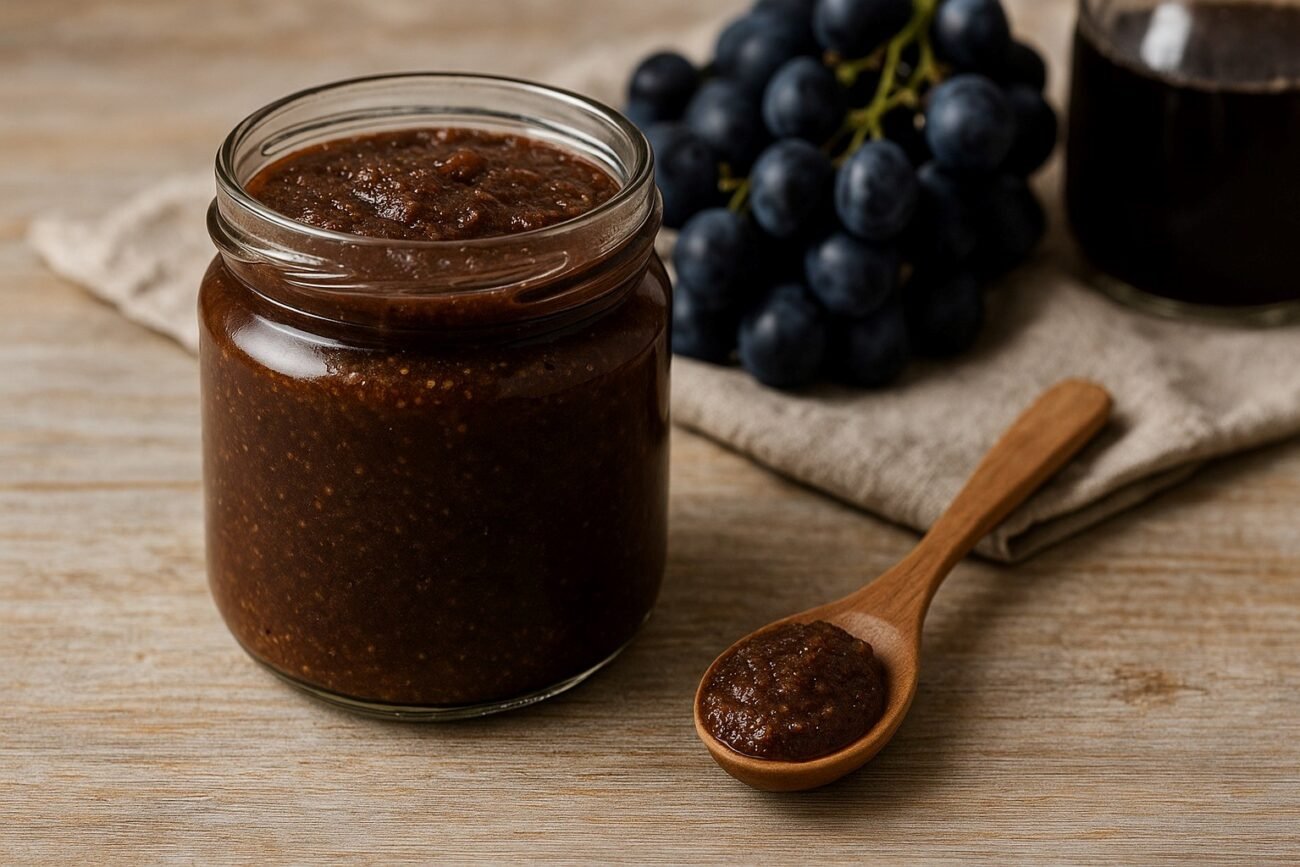
Musté is a simple word but it holds a lot of meaning for many people. It is a part of old food traditions, family habits, and natural flavor methods. Many people search for musté because they want to understand what it is, how it works, and why it stays important in different cultures. In this guide, you will learn what musté means, how people use it, and why it still has value in modern cooking. The goal is to give you clear and helpful information so you feel confident when you hear or see the word musté again.
What Is Musté? Definition And Origins
Musté is a word used for a natural fermented mix that comes from old food practices. People prepared musté to create flavor, to save fresh crops, and to add strength to simple meals. The idea of musté comes from the use of crushed fruit, grains, or other fresh harvest items that slowly change through natural fermentation. This slow change gives musté a sharp, rich, and deep taste that many families valued in daily food.
The origins of musté go back to early farming life. Farmers needed simple ways to protect their crops from waste, so they used basic tools and natural air to create musté. They learned that fermentation kept food safe for longer time. This method became a normal part of seasonal routines. Over many years, the process stayed almost the same. Musté carried the flavor of the land, the crop, and the climate, which made it important in both home kitchens and community gatherings.
Regional Variations And Uses Of Musté
Musté takes many shapes in different parts of the world. Each region gives its own touch, so the taste, texture, and purpose of musté can change from place to place. In Asia, people use musté as a thick paste made from local fruits or grains. It brings depth to home dishes and small meals. In Africa, musté can act as a strong base for drinks that carry natural sweetness or light fermentation. In Mediterranean areas, musté often comes from crushed grapes or similar harvests that turn into a smooth mix used in daily cooking. In the Americas, musté can appear as a condiment or spread that adds sharp flavor to simple foods.
Musté works well in many forms. Some families use it as a paste for bread or warm meals. Some prepare it as a light beverage with a gentle tang. Others use it as a condiment to lift the taste of cooked dishes. The idea stays the same: musté brings bold flavor, simple preparation, and a link to old food habits.
Cultural Significance And Heritage Of Musté
Musté holds a strong place in many old traditions. Families used it during seasonal harvest time, when fresh crops moved from fields to storage. Many homes prepared musté as part of rituals linked with new crops, long winters, or community gatherings. In some regions, musté appeared at festivals where people shared food made with simple natural methods. It acted as a symbol of patience, because musté needed slow fermentation and careful handling.
The heritage of musté connects past and present. Older generations passed the method down through memory, taste, and routine. Many people still keep musté in their kitchen as a reminder of family roots and simple living. It carries stories of farming life, handmade work, and respect for natural flavor. This strong link to culture gives musté more than taste. It gives meaning.
Health And Nutritional Benefits Of Musté
Musté offers natural support for the body because it comes from slow fermentation. This process creates friendly bacteria that help the stomach work in a calm way. These probiotic elements support smooth digestion and help many people who want simple, gentle food choices. Musté also carries nutrients from the original harvest material, so you get natural minerals, light vitamins, and small plant compounds that give mild strength.
Fermentation gives musté a special edge. It breaks down heavy parts of the crop and turns them into easy forms that the body can use without stress. This makes musté light, clean, and comfortable for many people. Because of this, musté stands as a natural option for those who want flavor with small health benefits at the same time.
How Musté Is Made – A Step-By-Step Guide
Musté begins with simple ingredients. Most people choose fresh fruit, grains, or crushed harvest items with natural juice. Quality matters because clean, ripe material gives better flavor. After the selection, the mix goes into a clean bowl or jar. This container must stay dry and clear so the musté forms without trouble.
The fermentation stage starts when the mix rests in a warm spot. Air helps natural change grow slowly inside the container. Bubbles show that the musté is alive and moving. Many people check the mix each day to see the smell, texture, and surface. This small check keeps the musté safe and steady. When the mix reaches the right depth of flavor, the maker strains it. This removes seeds, skins, or thick pieces that do not blend well.
The final step is storage. Musté sits in a sealed jar where cool temperature keeps it stable. Some people keep it for daily use, while others store it for special meals. The whole method stays simple, patient, and calm, which gives musté its true character.
Musté In Modern Cuisine And Innovation
Musté has become a fresh choice in today’s cooking world. Chefs use it to bring depth to simple recipes and to create new dining ideas. Many restaurants add musté to sauces, spreads, and light toppings because it gives a rich taste without heavy work. Food brands also bring musté into packaged items for people who want natural flavor with a clean ingredient list.
Modern cooking experiments with musté in many ways. Some chefs blend it with herbs to make smooth dressings. Some use it in fusion dishes where old flavor meets new style, like musté glaze on grilled food or musté mixed into warm bowls. Many home cooks enjoy musté in salads, sandwiches, or quick snacks because it adds a bold hit of taste. This mix of old method and new ideas makes musté a trendy and flexible part of today’s kitchen.
Tips For Using Musté At Home & Common Mistakes To Avoid
You can bring musté into your home kitchen with ease. Many small shops sell local musté made from fruit or grains. Some online stores offer jars with clean ingredients and simple flavor. If you want a basic homemade option, you can crush fresh fruit, place it in a clean jar, and let it rest for a short time until light bubbles form. This small step gives you a mild form of musté that you can use in daily meals.
Musté stays fresh when stored in a cool place. A sealed jar keeps the flavor steady and safe. Many people add musté to warm dishes, bread spreads, or small snacks. It fits well in salads and light sauces too. While using musté, avoid adding too much at once. The taste can turn sharp if the amount is heavy. Another common mistake is leaving the jar open, which can spoil the mix. Some people think musté lasts forever, but it still needs care and clean handling. With simple steps and a calm pace, musté fits easily into any kitchen routine.
Conclusion
Musté stands as a simple food tradition with real flavor, history, and comfort. It brings a calm, earthy taste that connects people with old methods and natural ingredients. Many homes enjoy musté because it fits in daily meals without effort and gives a clean, bold note that many other mixes cannot offer. If you enjoy trying new things in your kitchen, musté can add a gentle twist to your routine.
As you learned in the beginning, musté is more than a mix. It carries culture, natural change, and easy preparation. This guide gave you clear steps, uses, and ideas so you can bring musté into your own life. Try a small jar, test it in a simple dish, and see how it lifts your food in a natural way. This small start helps you feel the true essence of musté.
FAQ’s:
What Is Musté Made From?
Musté usually comes from fresh fruit, grains, or other harvest items that go through natural fermentation. The base ingredient changes by region.
How Does Musté Taste?
Musté has a bold and slightly tangy taste. The flavor depends on the ingredients used and how long it ferments.
Is Musté Safe To Eat Every Day?
Yes, musté is safe when made and stored in a clean way. Many people use small amounts daily in meals or spreads.
Can I Make Musté At Home?
Yes, you can. Crush fresh fruit or grains, place them in a clean jar, and let them rest until you see light bubbles. This forms a mild version of musté.
Where Can I Buy Musté?
You can find musté in local markets, small food shops, or online stores that sell natural or handmade foods.
How Long Does Musté Last?
Musté stays fresh when sealed and stored in a cool place. It does not last forever, so check smell and texture from time to time.
How Do I Use Musté In Food?
You can add musté to bread, warm dishes, sauces, dressings, or small snacks. Start with a small amount because the flavor is strong.
Enjoyed reading? Visit Pure Style Magazine for more unique and helpful content.
Disclaimer
This article shares general information about musté and its common uses. It is not medical advice, and it should not replace guidance from a qualified health professional. Results can vary based on personal health and how musté is prepared or stored. Always check ingredients and follow safe food practices before using any fermented product. Use musté based on your own comfort and judgment.
