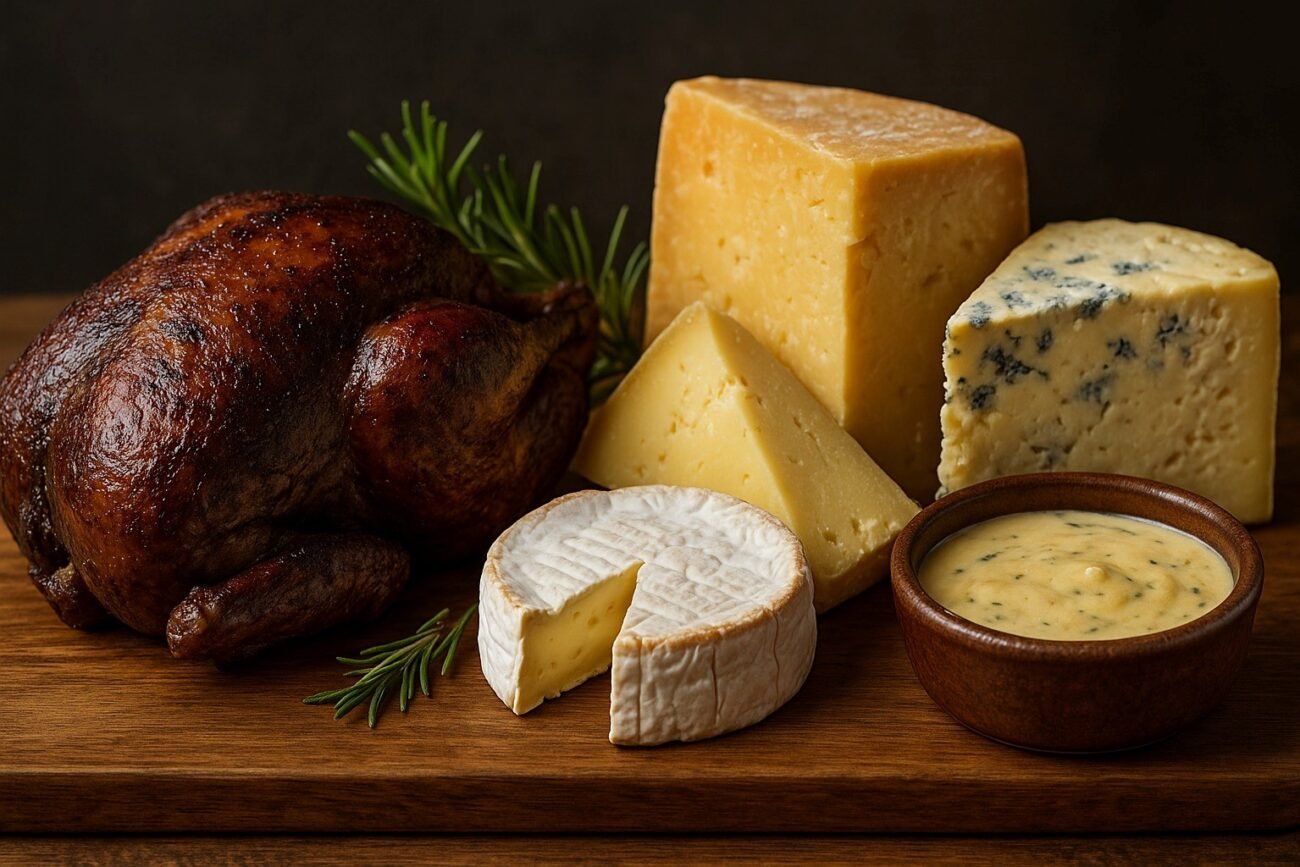
Grouse cheese is a simple idea that many people search when they want to understand how cheese works with grouse meat. Grouse is a wild bird with a deep, earthy taste, and many cooks use cheese to balance its strong flavor. So when someone types “grouse cheese,” they are usually looking for the right cheese to serve with grouse or a cheese-based sauce that fits this kind of game meat. This article explains everything in a clear and friendly way. You will learn what the term means, how the taste works, which cheeses match well, how to use them in cooking, and what you can choose as a substitute if needed.
Understanding “Grouse Cheese”: Meaning, Origin & Culinary Context
Grouse cheese is not a real cheese made from grouse. It is a cooking idea. Many chefs use this term when they talk about cheese that works well with grouse dishes. Grouse is popular in the UK and in some parts of Europe, where game meat is a normal part of cooking. In these places, strong and aged cheeses are often used with roasted or grilled grouse. This creates a rich taste that feels balanced and warm.
Some people think grouse cheese means cheese produced from grouse or mixed with the bird. That is not correct. The term only points to cheese that matches the flavor of grouse meat. So when cooks speak about grouse cheese, they talk about pairing, not a special product. This simple idea helps home cooks and food lovers choose the right cheese when they prepare a meal with this wild bird.
What Grouse Tastes Like & Why Cheese Pairing Works
Grouse has a bold taste. It is earthy, rich, and a little gamey, with a hint of smoky depth that comes from the bird’s natural diet and the way it is cooked. This strong flavor is very different from mild poultry like chicken, so it needs the right partner on the plate.
Chefs often choose aged or nutty cheeses because they stand up to this deep taste. Sharp cheddar, gruyère, blue cheese, or creamy goat cheese all bring something that fits the bird. These cheeses hold their flavor even when paired with a strong meat like grouse.
Cheese also balances the dish. The creaminess softens the gamey notes, the slight acidity cuts through the richness, and the smooth texture creates a calm, warm bite. This is why cheese is used so often with grouse. It makes the flavor round and steady, and it turns a wild bird into a comfortable and enjoyable meal.
Best Cheeses to Pair With Grouse (Expert Food Pairing Guide)
When people talk about “grouse cheese,” they usually mean the cheese that fits the strong flavor of grouse meat. Some cheeses work better than others because they match the bird’s rich and earthy taste. Here are the top choices and why they fit so well:
Aged Cheddar
Aged cheddar has a sharp and steady flavor. It holds its strength next to grouse and adds a clean bite that lifts the richness of the meat.
Gruyère
Gruyère is smooth, nutty, and warm. It blends with the deep taste of grouse without taking over. Many cooks like it because it melts well for sauces.
Blue Cheese (Stilton, Gorgonzola)
Blue cheese brings a bold punch. Stilton or gorgonzola creates a strong contrast with the gamey notes of grouse. This gives the dish a rich, layered taste.
Goat Cheese
Goat cheese is creamy and slightly tangy. It softens the earthy flavor of grouse and adds a fresh edge that feels light but still full.
Smoked Cheeses
Smoked cheeses match the natural smoky hint of grouse. They blend into the flavor without clashing, making the dish taste complete and balanced.
Why These Cheeses Work
These cheeses work because they balance the deep taste of the bird. Some add contrast, some add smoothness, and some match the natural flavors of grouse. Each one brings harmony to the plate and creates a calm and rounded dish.
Traditional & Modern Dishes Using Grouse and Cheese
Grouse and cheese come together in many styles of cooking. Some dishes follow old European game traditions, while others use modern ideas that make the meal feel simple and fun.
Classic European Dishes
European cooks often serve roasted grouse with a cheese element. A small slice of aged cheddar or a light cheese sauce sits on the side to balance the gamey taste. In some regions, gruyère is used in warm dishes where the cheese melts over the meat and brings a soft, nutty finish.
Restaurant-Style Grouse Plates
Many restaurants create elegant grouse entrées with cheese in small ways. You may see grouse breast topped with blue cheese crumble or paired with a creamy goat cheese mash. These dishes keep the meat as the focus but use cheese to give the plate a rich, smooth touch.
Modern Fusion Ideas
Today, chefs like to try new styles with wild meat.
You can find:
- Grouse sliders with a mild cheese sauce
- Wild-game mac and cheese that includes small bits of grouse
- Grouse tacos with soft goat cheese
- Grilled grouse served with smoked cheese spread
These dishes mix old flavors with new comfort-food ideas.
Easy Ideas for Home Cooks
If you cook at home, you can keep things simple.
- Add melted gruyère on top of pan-seared grouse
- Serve roasted grouse with a small bowl of cheddar sauce
- Use goat cheese as a spread on the side
- Mix small cheese pieces into warm wild-game pasta
These easy steps bring balance and warmth to the dish without making the meal heavy or hard to prepare.
How To Make A “Grouse Cheese” Sauce Or Spread (Simple Recipe)
You can make a smooth cheese sauce that works well with roasted or grilled grouse. The taste should be warm and gentle so it does not hide the flavor of the meat. This recipe is easy and does not need many steps.
Ingredients
Cream
- Gruyère (grated)
- A small pinch of mustard
- Butter
- Salt
- Black pepper
- Fresh herbs like thyme or parsley (finely chopped)
How to Make the Sauce
- Warm a small pan on low heat.
- Add butter and let it melt slowly.
- Pour in cream and stir with a spoon.
- Add the grated gruyère in small amounts so it melts evenly.
- Mix in mustard for a mild sharp note.
- Add salt and black pepper to taste.
- Sprinkle in fresh herbs for a clean finish.
- Keep stirring until the sauce looks smooth and steady.
Spread Version
If you want a spread instead of a sauce:
• Use less cream
• Add more cheese
• Mix gently until it forms a thick and soft paste
This spread works well on bread, grouse sandwiches, or as a small side on the plate.
Tips for Best Results
- Keep the heat low to stop the cheese from curdling.
- Add cheese little by little so it melts without lumps.
- If the sauce becomes too thick, add a small splash of cream and whisk gently.
- If the flavor feels heavy, add a tiny bit of mustard or herbs to bring balance.
This simple sauce fits the deep taste of grouse and creates a smooth, rich layer that feels warm and calm with every bite.
Nutritional Breakdown: Grouse + Cheese Combination
Grouse and cheese create a mix of lean meat and rich dairy, which gives the meal a steady blend of nutrients. Grouse is a wild bird, so the meat is naturally lean and full of protein. It also carries iron and B-complex vitamins that support energy and strength. This makes it a strong base for a meal that feels light but still filling.
Cheese adds a different set of nutrients. Aged cheddar brings protein and calcium. Gruyère offers a mix of healthy fats and minerals. Blue cheese has strong flavor but also provides good fats. Goat cheese is lighter and has a softer fat profile. Each cheese type changes the balance of the plate, so the full nutritional value depends on the cheese you choose.
A simple comparison:
- Aged cheddar – higher fat, strong protein
- Gruyère – rich texture, good calcium
- Blue cheese – bold taste, higher fat content
- Goat cheese – softer fats, easier to digest for some people
Grouse keeps the meal grounded because it is lean and packed with nutrients. Cheese adds warmth and richness. The combination works well when eaten in moderate portions. The lean meat keeps the meal steady and light, while the cheese adds flavor and creaminess without making the dish too heavy when used in a calm amount.
Best Alternatives & Substitutes for Grouse Cheese Pairings
Grouse is not always easy to find, so many cooks look for simple substitutes that bring a similar feel. Duck, quail, and pheasant work well because they all have a rich and earthy taste. Duck gives a deeper flavor, quail is lighter, and pheasant sits close to grouse in texture. Any of these can be used with the same cheese choices and still create a warm and balanced meal.
If the cheese you need is not available, you can pick something close in taste.
- Instead of aged cheddar, you can use sharp red Leicester or farmhouse cheddar.
- Instead of gruyère, you can use comté or emmental for the same smooth melt.
- Instead of blue cheese, you can try roquefort or Danish blue.
- Instead of goat cheese, you can choose feta or soft cream cheese with a small tang.
- Instead of smoked cheese, you can use smoked gouda or smoked mozzarella.
For budget-friendly options, mild cheddar, basic mozzarella, or simple cream cheese work well and still give a nice balance with game meat. For a gourmet version, aged gruyère, premium stilton, or artisanal goat cheese add depth and richness. These choices keep the same pairing idea and let you create a “grouse cheese” style dish even when the original ingredients are not available.
Conclusion
Grouse cheese is a simple idea that points to the best cheese choices to match the deep taste of grouse. It is not a cheese made from the bird, but a way to guide cooks toward flavors that balance the gamey, earthy notes of the meat. Aged cheddar, gruyère, blue cheese, goat cheese, and smoked cheese each bring something calm and steady to the plate. They soften the richness of the bird, add warmth, and help the meal feel smooth and full.
This idea works in many cooking styles, from classic European dishes to modern comfort food. You can make sauces, spreads, sliders, or simple roasted plates and still enjoy the same balance. When you explore grouse cheese pairings, you open the door to new tastes that feel natural and enjoyable. Trying different cheeses and game meats helps you learn how simple flavor matches can turn a strong dish into something rounded and satisfying.
FAQ’s:
1. Is grouse cheese a real type of cheese?
No. Grouse cheese is not a real cheese made from the bird. It is a simple cooking idea that points to cheese that matches the strong taste of grouse meat.
2. What cheese works best with grouse?
Aged cheddar, gruyère, blue cheese, goat cheese, and smoked cheese work well. They match the deep, earthy flavor of the meat and keep the dish balanced.
3. Why does cheese pair well with grouse?
Cheese brings creaminess and soft edges that calm the gamey taste. It adds warmth and smooth texture without hiding the flavor of the bird.
4. Can I replace grouse with another meat?
Yes. Duck, quail, and pheasant are the closest choices. They have a similar rich taste and work well with the same cheeses.
5. What is the easiest grouse cheese sauce to make?
A simple gruyère sauce made with cream, butter, mustard, and herbs works great. It stays smooth and tastes clean with roasted or grilled grouse.
6. Is the grouse and cheese combination healthy?
Grouse is lean and high in protein. Cheese adds rich fats and minerals. When eaten in small portions, the mix gives a steady and balanced meal.
7. Can I use common cheeses if I do not have gourmet options?
Yes. Basic cheddar, cream cheese, mozzarella, or smoked gouda all work as simple and budget-friendly substitutes.
Enjoyed reading? Visit Pure Style Magazine for more unique and helpful content.
Disclaimer
The information in this article is for general cooking guidance only. Ingredients, flavors, and results can vary based on personal taste and product quality. Always check food safety rules before handling game meat. If you have allergies or health needs, speak with a qualified food or health professional. This content is not a substitute for expert dietary or medical advice.
