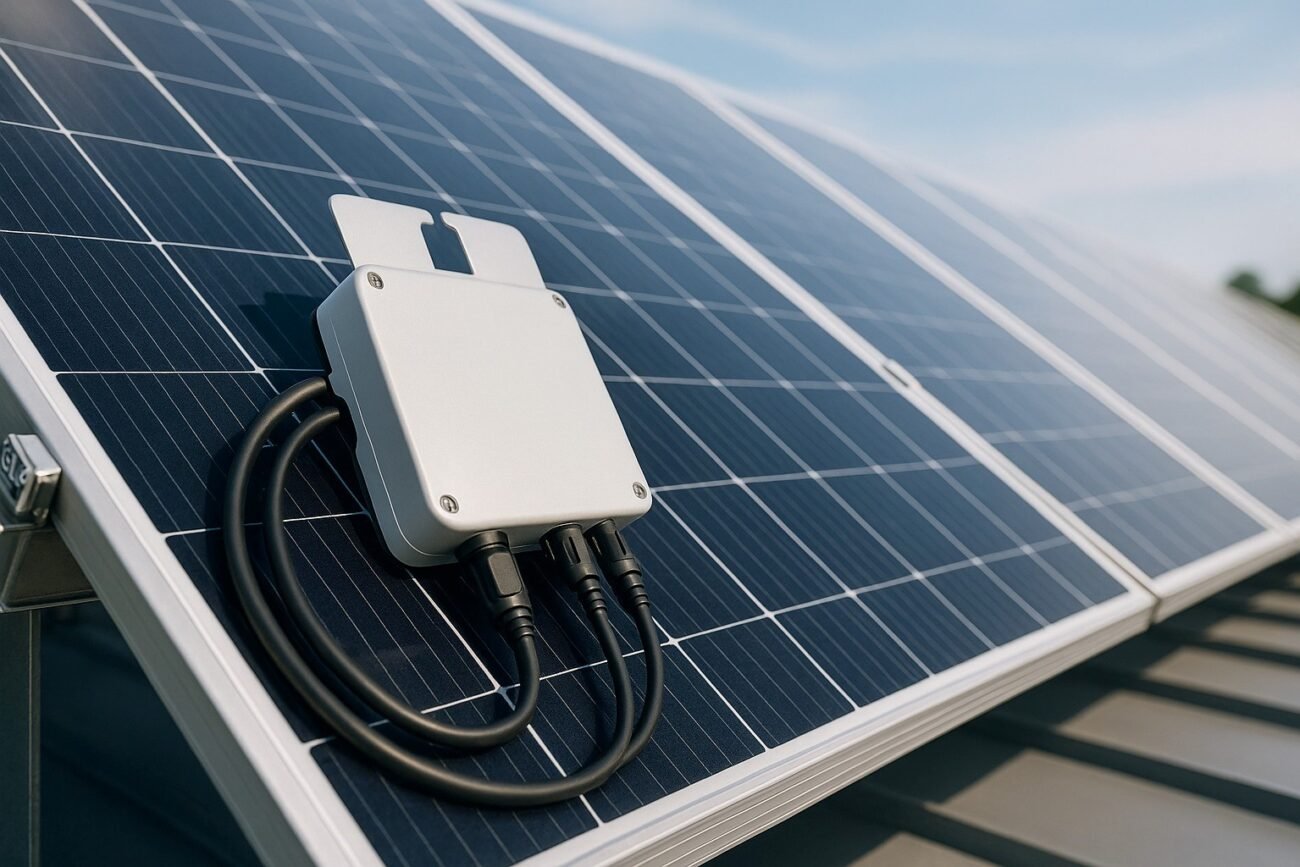
HMS photovoltaik is a popular name in solar systems because people want solid, simple, and safe technology for their homes and buildings. Many users search this term when they look for smart solar parts that help panels work better and stay stable in daily use. The name is linked with tools that manage power, watch panel activity, and keep the whole setup smooth.
More people turn to HMS photovoltaik because solar users now want clear data about how much energy their panels make and how well the system performs during the day. Good monitoring helps save money, reduces mistakes in the system, and keeps the panels healthy for a long time. HMS parts play an important role here, as they support modern solar setups with better safety and better control over each panel.
This is why HMS photovoltaik has become a trusted search term for anyone who wants a clean energy system that works without trouble and gives reliable results.
What Is Hms Photovoltaik? Basic Meaning & Technical Overview
HMS photovoltaik refers to a set of small devices that support solar panels and help them work in a steady and safe way. The term “HMS” is used for tools that control power at the panel level, keep each panel in balance, and share clear data about how much energy the system makes. These devices communicate with the main inverter and give updates about voltage, temperature, and panel activity.
In simple words, HMS photovoltaik acts like a helper between the solar panels and the home power system. It works with microinverters, power trackers, and monitoring units. It makes sure each panel gives the best possible output, even when one panel has shade or dirt. Many solar companies use HMS units because they make the energy flow smooth and keep faults small.
HMS components fit well in both small homes and bigger solar setups. They improve power quality, support panel safety, and allow users to watch system performance through apps or screens. This brings better control, better energy use, and fewer surprise problems in the future.
Key Components Included In Hms Photovoltaik Systems
HMS photovoltaik systems come with a few important parts that help the solar setup work in a steady and controlled way. Each part has a clear job and supports the panels from start to finish.
HMS microinverters
These small devices sit behind each solar panel. They change the power from DC to AC right at the panel. This gives better output, less loss, and safe power flow, even when one panel has lower sunlight.
Module-level power electronics
These units manage the behavior of each panel. They keep voltage stable, stop overload problems, and make sure the panel gives clean energy. They help the full system stay balanced during morning, noon, and low-light hours.
Monitoring systems
This part shows live data about the panels. Users can see power production, panel temperature, and any small issue. It helps solve problems early and keeps the system healthy.
Safety features
These tools protect the panels and wiring from high heat, voltage spikes, or shutdown alerts. They cut power fast during risk situations and keep the home and system safe.
Energy communication interfaces
This feature allows each panel to talk with the inverter or main controller. It sends updates about power levels and system activity. It plays a strong role in tracking performance and finding faults.
Together, these HMS photovoltaik components improve energy conversion, give clean power, and help users understand how well their solar panels work each day.
How Hms Photovoltaik Works Inside A Solar Setup
HMS photovoltaik works like a smart link between each solar panel and the main power system. The panels connect to small HMS devices that sit close to them. These devices control the panel output, keep the power clean, and send clear data to the system. When sunlight hits the panel, the HMS unit checks the power level, converts it as needed, and protects the panel from small errors. The whole setup runs in a simple loop that helps the user get steady energy.
The basic working process
Solar panels produce DC power
- The power reaches the HMS device placed behind the panel
- HMS checks voltage, heat, and performance of that panel
- The device sends AC power or stable output to the inverter
- Live data goes to the monitoring app or screen
- The system adjusts power flow to stay smooth during shade or bright sun
HMS photovoltaik improves efficiency because each panel works on its own. If one panel has shade or dust, the other panels stay strong. This stops wide power loss. The system also improves safety because the HMS devices can cut the panel’s power fast during heat spikes or wiring faults. This gives the whole solar setup a safer and cleaner performance every day.
Benefits Of Using Hms Photovoltaik For Homeowners & Businesses
HMS photovoltaik gives strong value to both home users and business owners because it keeps the solar system stable, easy to track, and safe. Each benefit supports better energy use and long-term reliability.
Higher system efficiency
Each panel works at its own pace. If one panel gets low sunlight, the rest stay strong. This raises the total energy output.
Better safety through module-level control
The device controls power at the panel level. It lowers risk of heat, wiring faults, or overload issues. It also shuts down fast during danger.
Smart monitoring via apps
Users can see real-time power, panel health, and daily energy charts from a simple app. This helps in quick decisions and clear tracking.
Reduced shading losses
Shade on one panel does not pull the whole system down. HMS keeps other panels stable, so sunlight loss has less impact.
Longer lifespan of solar components
Stable voltage and controlled heat reduce stress on the panels. This helps the system last longer without sudden damage.
Easier system maintenance and troubleshooting
HMS gives clear fault signals. This makes repairs fast and simple. Users can find small issues early before they turn into big problems.
This mix of safety, control, and clear data makes HMS photovoltaik a trusted choice for modern solar setups.
Hms Photovoltaik Vs Other Pv Systems: What Makes It Different?
HMS photovoltaik stands out because it focuses on panel-level control. This gives users stronger performance, more safety, and better system growth. Many common PV systems run on string inverters, which treat all panels as one group. HMS works with each panel separately, so the user gets a smoother and more stable output.
Efficiency
HMS gives better efficiency because each panel works on its own. In string systems, one weak panel affects the whole row. With HMS, shade or dust on one panel does not pull down the rest.
Safety
HMS provides safer control because it checks heat, voltage, and faults at the panel. It shuts power fast when a risk appears. Traditional setups rely on the main inverter, which reacts slower.
Monitoring
HMS offers panel-level monitoring. Users see data for each panel, not the whole system only. This helps in fast repairs and better understanding of daily power patterns.
Cost-effectiveness
HMS helps save money by reducing long-term damage. It cuts repair time, prevents early panel failure, and improves energy output. Many users recover the cost through better performance.
Scalability
HMS photovoltaik expands easily. Users can add more panels later without changing the full system. String inverters often need larger upgrades when more panels are added.
These differences make HMS photovoltaik a smart choice for people who want clean power with strong control and simple maintenance.
Installation Requirements & Compatibility Guidelines
HMS photovoltaik fits into most modern solar setups, but the system works best when a few simple rules are followed. These rules help the panels stay stable, safe, and smooth in daily use. Installers and homeowners check these points before adding HMS devices to their system.
What type of solar panels HMS Photovoltaik works with
HMS works with standard monocrystalline and polycrystalline panels. It also fits well with high-efficiency panels used in homes and small shops. As long as the panel voltage stays within the device limit, it runs without trouble.
Technical requirements
- Stable DC input from each panel
- Voltage range within the HMS device rating
- Weather-safe mounting space behind the panel
- Enough airflow for heat control
- Clean grounding for safe operation
Wiring and inverter compatibility
HMS photovoltaik links well with microinverters and hybrid inverters that accept panel-level input. The wiring stays simple because each HMS device connects to one panel. Many brands support HMS signals, making it easy for installers to plug and run.
Ideal system size
HMS works with small homes, shops, and mid-size solar fields. Users can start with a few panels and grow later. Each new panel only needs its own HMS unit, so the system grows without big changes.
Safety and compliance standards
- Fire-safe design
- Heat control features
- Fast shut-down during risk
- Wire protection for outdoor conditions
- Compliance with common solar safety codes
Maintenance expectations
Users only check for dust, loose wires, or physical damage during routine panel cleaning. HMS devices have strong seals, so they do not need much care. Most issues show up in the monitoring app, making it easy to fix early.
This simple setup guide helps users understand how HMS photovoltaik fits into a safe and long-lasting solar system.
Conclusion
HMS photovoltaik gives users strong control over each solar panel, steady power flow, and clear monitoring that makes daily use simple. It supports safety, better output, and fewer system problems. Many people choose it because it works well in homes, small shops, and larger buildings without adding extra stress on the panels. The system also helps reduce losses from shade and heat, which makes the full setup more stable in changing weather.
If you want a solar setup that stays safe, easy to read, and long-lasting, HMS photovoltaik is a solid choice. It gives clear data, fast fault alerts, and smooth energy control that helps you get the most from your panels. This makes it a good fit for users who want reliable clean energy with less effort and better long-term performance.
FAQ’s:
What does HMS mean in photovoltaics?
HMS in photovoltaics refers to small control devices that sit behind each solar panel. They manage power, watch panel health, and keep the system stable.
Is HMS Photovoltaik compatible with all solar panels?
HMS works with most modern monocrystalline and polycrystalline panels. As long as the panel voltage stays in the supported range, the device runs without issues.
How long does an HMS Photovoltaik system last?
HMS units last many years because they have sealed bodies and strong heat protection. Most devices stay active for the full life of the solar panel.
Can HMS systems increase solar power output?
Yes, HMS helps each panel work at its best level. It reduces loss from shade or dust and keeps the energy flow stable, which leads to higher overall output.
Is HMS recommended for residential or commercial use?
HMS photovoltaik fits both. Homes benefit from safer control, while shops and buildings use it for better monitoring and cleaner power production.
Enjoyed reading? Visit Pure Style Magazine for more unique and helpful content.
Disclaimer
This article shares general information about HMS photovoltaik and is not technical or installation advice. Solar systems can vary, so users should check details with a certified installer or equipment provider. Product names, features, and system limits may change over time. Always confirm the latest specifications before making any purchase or setup decision.
