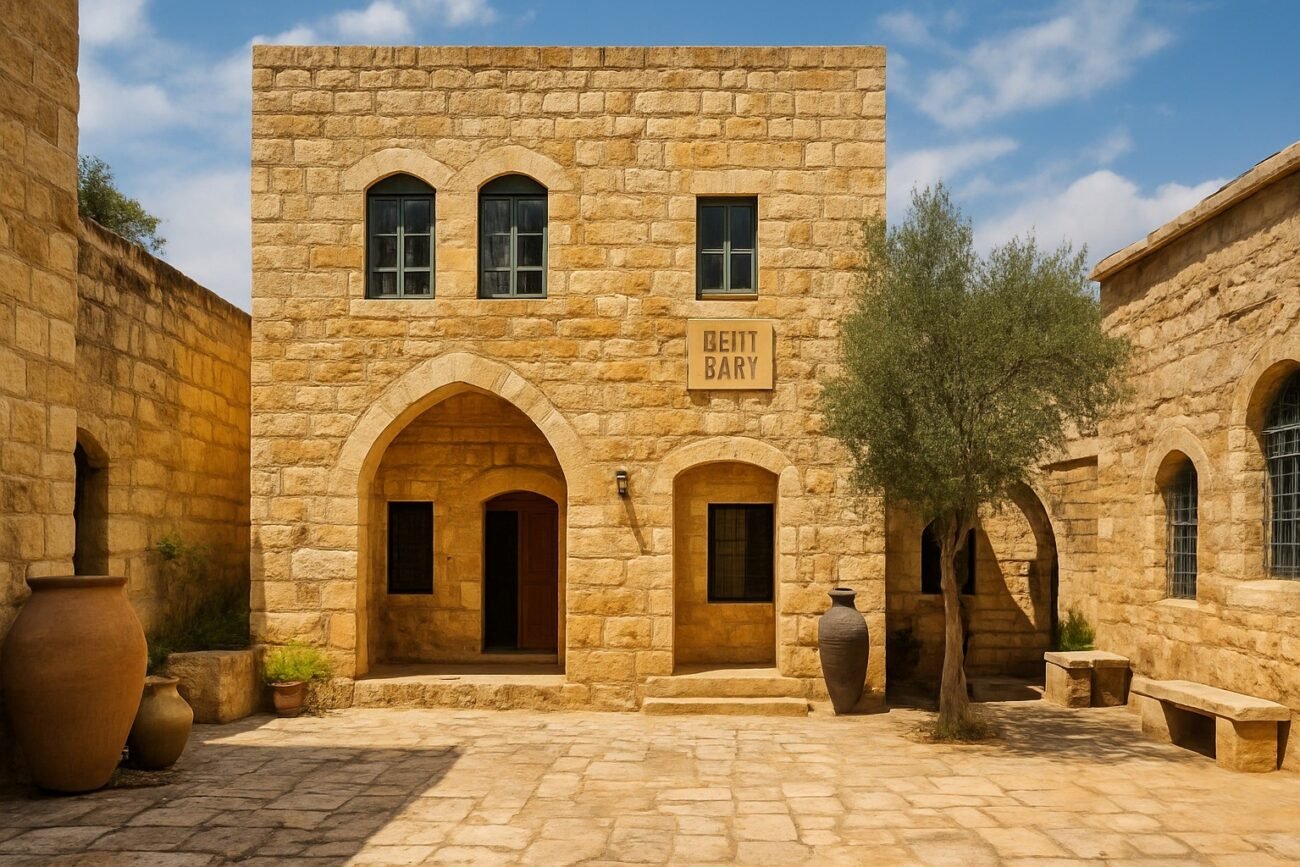
Beit Bart is a known name for a place with deep history, strong roots, and local pride. People search for beit bart because they want clear facts about its background, its people, and its role inside the region. The place holds stories from old times, family life, and community growth. Many travelers visit this spot for its classic look, warm culture, and strong heritage value. Beit Bart also draws interest due to its building style, layout, and charm that reflects past life. Readers want real details about this place, so this guide helps you understand what makes Beit Bart special and why it holds meaning for many.
The Meaning And Origin Of Beit Bart
The name Beit Bart comes from old language roots that describe a house, family space, or heritage spot. The word “Beit” often points toward a home or structure linked with community life. “Bart” connects with an older family line, clan identity, or historic group known in the region. Many elders share stories about this name, giving insight into early settlement days and social ties around that era. People relate Beit Bart with land history, old pathways, and long-standing roots inside the area. This name still holds strong value among locals, carrying memories from past generations and showing the link between culture, land, and family identity.
Historical Background And Cultural Significance
Beit Bart has a long history, dating back many centuries. It started as a small settlement where families built homes close together, sharing land and resources. Over time, it grew into a place with strong cultural identity, keeping old traditions alive. Key events shaped the area, including local festivals, family gatherings, and historic decisions that guided community life. Stories and legends about Beit Bart are passed down, telling of heroes, founders, or memorable moments in its past. The place remains important today, influencing local customs, celebrations, and daily life. People continue to respect its heritage, seeing it as a link between past generations and current community pride.
Architectural Style And Key Features Of Beit Bart
Beit Bart shows a traditional design that reflects the local culture and history. Its buildings are made from natural materials like stone and wood, giving them a timeless and sturdy look. The layout often includes central courtyards, open spaces, and narrow pathways connecting homes. Roofs, windows, and doors are crafted with simple elegance, keeping the original style intact. Visitors notice how every corner tells a story, from the walls to the floors, showing attention to detail that has lasted for generations.
What makes Beit Bart unique is how it stands out from other regional structures. While nearby places may use similar materials, Beit Bart’s design balances beauty with practical living. Its combination of heritage style and functional space draws photographers and historians, while travelers admire its charm and authenticity. The harmony between old-world architecture and local culture makes it a favorite subject for those who want to capture history through images and experiences.
Location And Tourism: Where Is Beit Bart Found?
Beit Bart is located in a region known for its rich culture and scenic surroundings. Visitors can find it nestled among hills, valleys, or small towns that have kept their traditional charm. The area attracts tourists because of its historic buildings, cultural events, and the opportunity to experience life rooted in local traditions. People come to see the architecture, meet locals, and enjoy the peaceful environment that Beit Bart offers.
Visitors can expect narrow streets, cozy homes, and open courtyards filled with natural light. The surroundings include small markets, traditional workshops, and cultural landmarks worth exploring. The best time to visit is during mild weather months when outdoor walking is easy and festivals take place. Travelers are encouraged to take guided tours, try local food, and capture photos of the architecture and landscapes to fully appreciate the unique atmosphere of Beit Bart.
Cultural Practices, Daily Life, Or Activities Linked To Beit Bart
Life in Beit Bart is shaped by traditions that have been followed for generations. Families maintain routines tied to farming, cooking, and community gatherings. Daily life often centers around shared spaces where people meet, talk, and help each other. Local customs include storytelling, craftwork, and passing skills from elders to younger generations.
Festivals and social events are important in Beit Bart. Seasonal celebrations, music, dance, and small rituals bring the community together. Even today, locals actively preserve these traditions, inviting visitors to observe or join. People take pride in their heritage, and Beit Bart remains a place where history, culture, and daily life are closely connected, making it alive and meaningful for both residents and travelers.
Modern Importance: Why Beit Bart Matters Today
Beit Bart plays a key role in keeping history alive. Its buildings, streets, and community spaces show how people lived in the past and preserve memories for future generations. This preservation helps locals understand their roots and maintain cultural pride.
The site also brings tourism and economic benefits. Visitors support local businesses, buy crafts, and participate in cultural experiences. Conservation and restoration efforts protect buildings and landmarks, ensuring they last longer. Beit Bart connects past and present, showing how traditions can stay meaningful while welcoming modern visitors and community life.
Conclusion
Beit Bart continues to attract interest because it offers a window into the past. Its traditional buildings, scenic streets, and cultural spaces show how people lived, worked, and celebrated life generations ago. Visitors and locals alike value its history, architecture, and community traditions, making it a place that stays alive in memory and experience. The charm of Beit Bart lies in its ability to tell stories without words, giving everyone a chance to connect with heritage and culture.
The importance of Beit Bart goes beyond its physical presence. It preserves history, supports local tourism, and keeps traditions meaningful for future generations. Exploring Beit Bart allows people to see how past and present meet, encouraging learning, appreciation, and respect for culture. For anyone curious about architecture, heritage, or regional history, Beit Bart is a place worth visiting, understanding, and remembering.
FAQ’s:
Q1: What Is Beit Bart Known For?
Beit Bart is known for its historic architecture, cultural heritage, and traditional lifestyle. It reflects old building styles and local customs that have lasted for generations.
Q2: Can Visitors Access It?
Yes, visitors can explore Beit Bart. Many areas are open to tourists who want to see the homes, streets, and community spaces. Guided tours are often available to help understand its history.
Q3: Is Beit Bart Still In Use Today?
Yes, locals still live and carry out daily activities in Beit Bart. While some areas are preserved for tourism, many families continue traditional routines and community practices.
Q4: Why Is It Historically Important?
Beit Bart is important because it preserves the culture, architecture, and stories of past generations. It helps people connect with history, learn about old traditions, and experience the heritage of the region firsthand.
Enjoyed reading? Visit Pure Style Magazine for more unique and helpful content.
Disclaimer
The information provided in this article about Beit Bart is for general informational and educational purposes only. While we strive to ensure accuracy, details may change over time. Readers are encouraged to verify facts independently before planning visits or relying on the content. The article does not constitute professional advice, and the author is not responsible for any actions taken based on this information.
